How we scaled a developer community to 5,000+ students across emerging markets using open-source principles.
Talent is universally distributed; opportunity is not. In emerging markets, the barrier to entry for tech isn't intelligence—it's infrastructure. CodeAsia started as a hypothesis: specifically, that open-source culture could accelerate learning velocity in underserved regions.
The Infrastructure of Community
Building a community is an engineering problem. You need to design for concurrency (multiple cohorts running at once), fault tolerance (students dropping out), and latency (access to mentors). We treated our community architecture like a distributed system.
We implemented a recursive mentorship model. Top graduates from Cohort N became the Teaching Assistants for Cohort N+1. This created an exponential scaling factor for our instructional capacity.
Curriculum as Software
We version-controlled our curriculum on GitHub. Students could submit Pull Requests to fix typos or clarify explanations. This seemingly small decision had a massive psychological impact: It turned students into contributors from Day 1.
Key Metrics at Scale
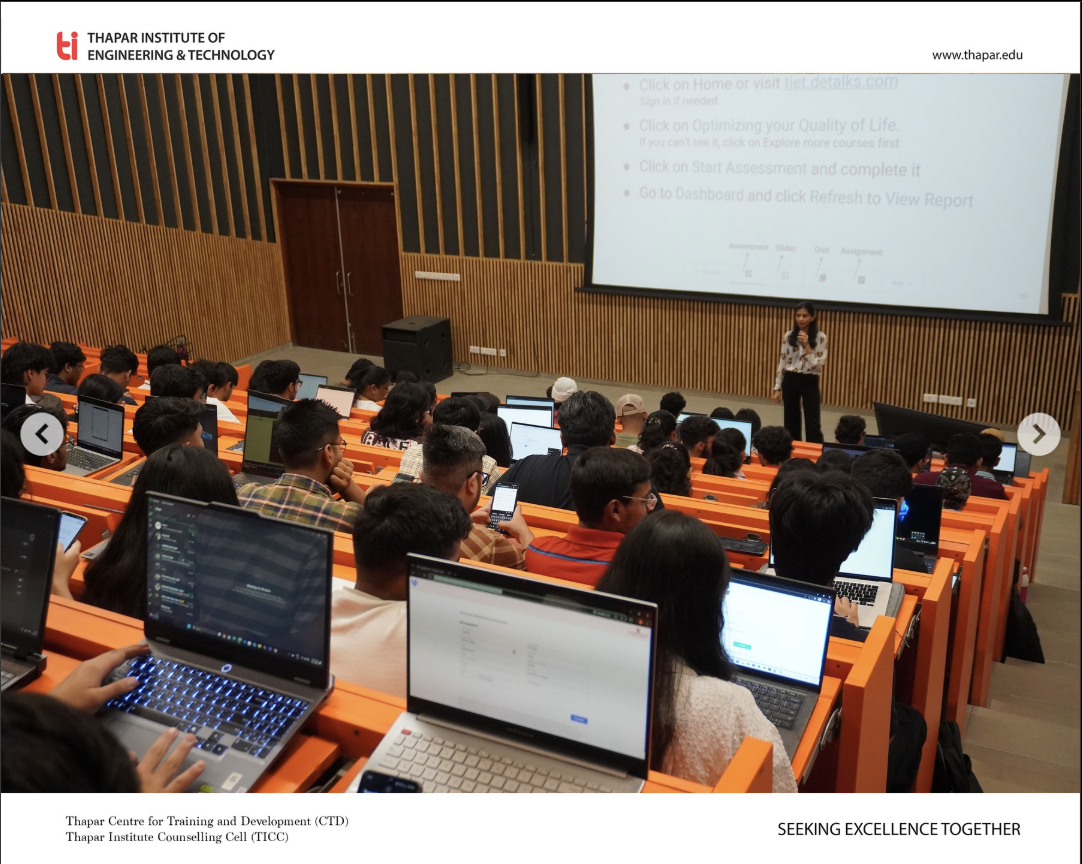
- 5,000+ Students: Impacted through workshops and hackathons.
- 30% Job Placement: In local tech firms within 6 months of graduation.
- Zero Cost: Leveraging open-source tools to keep tuition free or subsidized.
The Next Iteration
We are now integrating agentic AI tutors to provide 24/7 code review feedback, further decoupling our scaling constraints from human capital. The future of education is hybrid: human mentorship for motivation, AI for technical validation.